
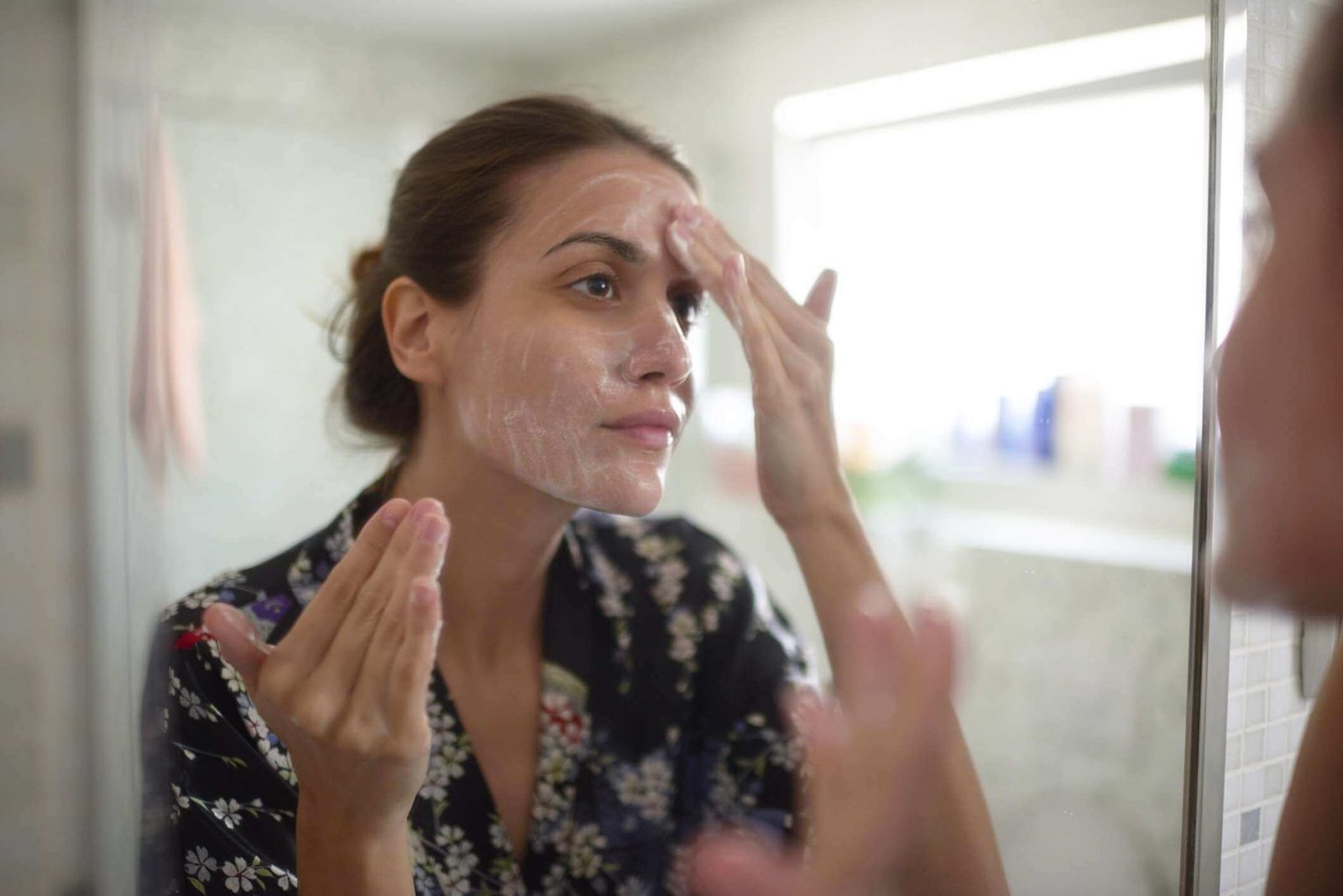

Healthy-looking skin is influenced by many factors, including genetics, age, environment, daily habits and skincare choices. A consistent routine can help maintain the skin’s appearance and address common concerns such as dryness, uneven texture and dullness. Professional facial treatments may also offer an opportunity to give the skin focused care.
However, skincare is not about choosing the largest number of products or treatments. It is about understanding individual needs and selecting suitable options.
Understanding the Purpose of a Facial
A facial is a skincare treatment that may include cleansing, exfoliation, masks, moisturising and other techniques. The exact process varies according to the provider, treatment type and client’s preferences.
Some facials focus on hydration, while others are designed around cleansing or improving the appearance of uneven texture. A professional consultation can help identify which approach may be appropriate.
It is important to remember that facial treatments do not produce identical results for everyone. Skin type, sensitivity, existing conditions and home-care habits can all influence the experience.
Why Skin Assessment Matters
Before choosing a treatment, it helps to understand how the skin behaves. Some people experience dryness, while others notice excess oil or occasional breakouts. Skin can also be sensitive to fragrance, active ingredients or physical exfoliation.
A suitable assessment should consider:
- Current skin concerns and personal goals
- Sensitivity or reactions to skincare products
- Existing skincare products and active ingredients
- Recent cosmetic procedures or treatments
- Relevant medical conditions or prescribed skincare
If someone has persistent acne, unexplained irritation, eczema or another skin condition, a dermatologist or qualified healthcare professional may be more appropriate than relying on a cosmetic facial alone.
Common Elements of Facial Treatments
Many facial treatments begin with cleansing to remove surface impurities, makeup and excess oil. Depending on the service, this may be followed by gentle exfoliation to remove some dead skin cells.
A mask may then be applied to address a particular cosmetic goal. Hydrating products are often used to support the skin’s moisture levels, while moisturiser helps reduce water loss and improve the feel of the skin.
Some treatments include massage techniques. These can make the experience relaxing, although they should not be assumed to provide medical or long-term skin benefits.
Choosing Treatments for Different Skin Needs
A facial should be selected according to the person’s skin rather than popularity alone.
For skin that feels dry or tight, a gentle hydrating treatment may be worth considering. People with oily skin may prefer a service focused on cleansing, provided the products are not excessively harsh.
Sensitive skin often benefits from a cautious approach. Strong exfoliation, intense heat and unfamiliar active ingredients may cause irritation in some individuals. A patch test or professional advice may be appropriate when there is uncertainty.
Those concerned about pigmentation, persistent redness or sudden changes in skin appearance should seek qualified advice before booking a cosmetic procedure.
Maintaining Results at Home
Professional skincare is only one part of a broader routine. Daily habits help support the skin between appointments.
A simple routine can include:
- A gentle cleanser suited to the skin type.
- A moisturiser that supports the skin barrier.
- Broad-spectrum sunscreen during daytime exposure.
- Carefully selected products for specific concerns.
Introducing several new products at once can make it difficult to identify the cause of irritation. Adding products gradually allows people to observe how their skin responds.
Consistency is generally more useful than frequently changing products in search of immediate results.
Selecting a Professional Spa
When comparing facial providers, look beyond promotional descriptions. Check whether the treatment process is explained, products are appropriate for the intended service and hygiene practices are clear.
Clients should also feel comfortable asking about ingredients, expected sensations, possible reactions and aftercare. A professional provider should not promise permanent results or pressure clients into purchasing unnecessary services.
Those exploring a facial spa can review the available treatments and compare them with their skin goals before making a decision.
Aftercare and Skin Comfort
After a facial, skin may feel refreshed, but some treatments can also cause temporary redness or sensitivity. Following the provider’s aftercare advice is important.
Avoid adding strong exfoliating products or unfamiliar active ingredients immediately after a treatment unless a qualified professional advises otherwise. Sun protection is also important, particularly after exfoliation.
If significant irritation, swelling or discomfort develops, seek appropriate professional advice rather than attempting to treat the reaction with additional cosmetic products.
FAQs
1. How often should someone receive a facial?
There is no universal schedule. Frequency depends on skin type, treatment intensity, individual concerns and professional advice. Some people choose occasional appointments rather than regular treatments.
2. Are facials suitable for sensitive skin?
Some gentle treatments may be suitable, but ingredients and techniques matter. People with highly reactive skin should discuss sensitivities in advance and consider professional medical advice when necessary.
3. Should I change my skincare routine after a facial?
Follow the provider’s aftercare guidance. A gentle routine with moisturiser and sunscreen is often sensible, while strong exfoliants or unfamiliar products may need to be paused temporarily.
Conclusion
A thoughtful skincare routine combines appropriate home care with professional treatments when needed. Understanding skin concerns, choosing suitable products and asking clear questions can make facial treatments a more informed experience. The most useful approach is one that prioritises skin comfort, realistic expectations and consistent care.