Newsletter Subscribe
Enter your email address below and subscribe to our newsletter
Enter your email address below and subscribe to our newsletter

 ByJohn A
For aspiring musicians, few instruments are as engaging and physically expressive as the drum kit. Playing drums engages the entire body, requiring independent four-limb coordination, timing precision, and dynamic sensitivity. However, traditional acoustic drum sets carry obvious practical drawbacks: they demand substantial floor space, generate high sound levels that disturb neighbors, and offer limited sound variation without expensive additional gear.
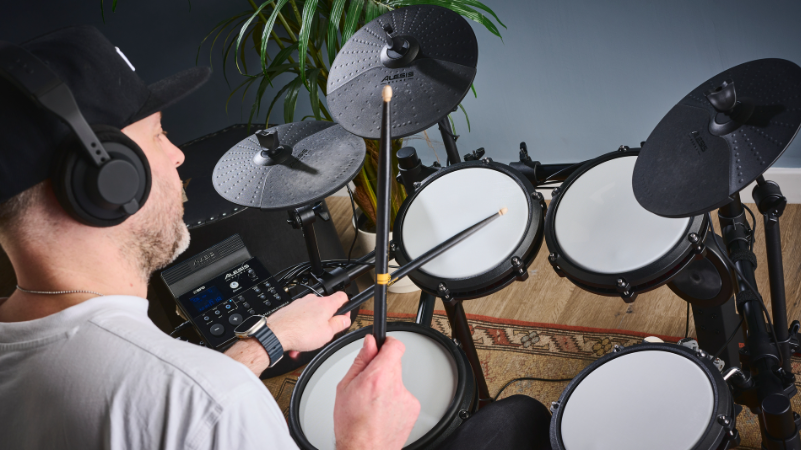
Electronic drum sets have transformed home music practice by offering a quiet, space-efficient alternative. Modern digital kits deliver authentic feel and natural rebound while allowing you to practice silently with headphones at any hour. Whether you are buying an instrument for yourself or a beginner in your household, understanding key features will help you choose a set that supports long-term musical growth.
Drumming is fundamentally about timekeeping and limb independence. Unlike melodic instruments where left and right hands often perform similar or complementary movements, drumming requires each limb to handle distinct rhythms simultaneously:
Building this level of neuromuscular coordination takes consistent practice. Electronic drums accelerate this development by providing built-in metronomes, coaching functions, and interactive lesson tools that offer real-time feedback on your timing accuracy.
When browsing options for a beginner electric drums setup, it is easy to get overwhelmed by technical specifications. Focusing on five primary features will help you select the right kit for your practice goals.
The material of the drum pads directly impacts how the kit feels under your sticks and how quietly it operates.
The drum module (or “brain”) processes pad triggers and generates sound. Look for a module that offers a diverse library of acoustic kits, electronic drum sounds, and percussion instruments. Having access to rock, jazz, funk, and electronic sounds keeps practice engaging across different genres.
A good digital kit should adapt as your skill level expands. Essential connectivity options include:
A stable rack frame prevents pads from slipping or shifting during energetic playing. If space is at a premium, look for compact frames that fold easily for storage when not in use.
Kick drum triggers come in two styles: standalone foot pedals that press against a physical kick pad, or switch-based pedals with no beaters. A physical kick pad with a real pedal offers a far more authentic feel, training your ankle and leg muscles properly from day one.
Choosing the right kit often comes down to finding the sweet spot between physical playability, modern tech integration, and compact design.
For beginners looking for a feature-packed balance of mesh pads, interactive learning features, and space-saving design, examining a dedicated kit like The ONE Polaris TOD1 provides a great benchmark for modern digital drum capabilities.
| Feature | Entry-Level Rubber Kits | Mid-Tier Mesh Kits (e.g., Polaris TOD1) |
| Pad Surface | Solid Rubber | All-Mesh Dual-Zone Heads |
| Acoustic Noise | Moderate (Pad Impact) | Ultra-Low (Silent Mesh) |
| Rebound Quality | Stiff / High Rebound | Natural Acoustic Feel |
| Pedal Style | Electronic Switch | Real Kick Pedal & Pad |
| App Integration | Basic MIDI Output | Guided Lessons & Light Cues |
Traditional drum instruction relies heavily on reading sheet music and practicing repetitive exercises with a standalone metronome. While effective, this approach can feel dry for newcomers.
Modern interactive drum kits solve this by integrating visual guides and app-based gamification into daily practice:
When budgeting for your electronic drum set, remember that drum kits rarely include every accessory needed out of the box. Plan to pick up:
Buying an electronic drum kit is one of the most rewarding investments an aspiring musician can make. By providing quiet operation, versatile sound libraries, and interactive practice tools, modern digital drum sets eliminate the traditional friction points of learning to play. Focus on choosing a kit with responsive mesh heads, solid frame construction, and flexible connectivity to ensure your instrument supports your rhythm and coordination journey for years to come.