
Newsletter Subscribe
Enter your email address below and subscribe to our newsletter
Enter your email address below and subscribe to our newsletter

 ByJohn A
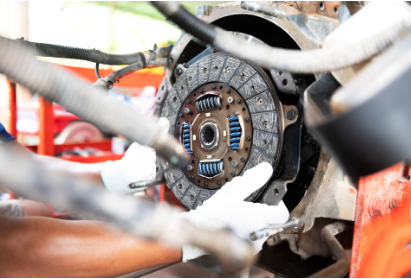
A vehicle’s clutch plays an essential role in transferring power from the engine to the gearbox. It allows drivers to change gears smoothly, move away from a standstill and control the vehicle in different driving conditions. When the clutch starts to wear or develop a fault, everyday journeys can become less comfortable and, in some cases, unsafe.
For drivers who regularly travel around Southport, recognising early warning signs can help prevent unexpected breakdowns and more extensive mechanical problems. Stop-start traffic, frequent junctions and repeated manoeuvring can all put demands on a vehicle’s clutch system.
Understanding how the clutch works, what causes it to deteriorate and when to seek professional assistance can help motorists make better maintenance decisions. Whether a car has started slipping out of power, the pedal feels unusually heavy or selecting gears has become difficult, identifying the cause early is an important first step.
In a vehicle with a manual gearbox, the clutch connects and disconnects the engine from the transmission. Pressing the clutch pedal temporarily interrupts the transfer of engine power, allowing the driver to select another gear. Releasing the pedal gradually reconnects the system and allows the vehicle to move.
A typical clutch assembly includes a friction plate, pressure plate and release mechanism. These components must work together correctly to deliver smooth engagement and reliable gear changes.
Over time, friction surfaces wear down through normal use. Other components can also develop faults, particularly when a vehicle has covered substantial mileage or has experienced demanding driving conditions.
A clutch that operates correctly should allow the driver to pull away smoothly, change gears without excessive effort and maintain consistent power delivery. Changes in these behaviours may indicate that inspection is needed.
See also: Business Predictions for 2026 and Beyond
Recognising clutch trouble early can help drivers arrange an inspection before the vehicle becomes difficult to use.
One of the most recognisable symptoms of clutch wear is slipping. This occurs when the clutch cannot transfer engine power to the transmission effectively.
A driver might notice that engine revolutions increase but the vehicle does not accelerate as expected. The problem may become more noticeable when climbing a hill, carrying additional weight or accelerating onto a faster road.
A worn friction plate is one possible cause, although other faults can produce similar symptoms. Continuing to drive with a slipping clutch may generate excess heat and cause further damage.
Difficulty selecting gears can indicate that the clutch is not disengaging properly. Drivers may experience resistance when moving the gear lever, particularly when selecting first or reverse.
The issue is not always caused by the clutch itself. Hydraulic problems, linkage faults or transmission-related issues can also affect gear selection. A proper inspection helps identify the source rather than relying on guesswork.
A sudden change in pedal feel is another reason to arrange a mechanical check. The pedal might become unusually heavy, feel softer than normal or travel differently when pressed.
Hydraulic leaks, a failing release mechanism or worn components may contribute to these changes. If the pedal drops to the floor or fails to return properly, the vehicle may become difficult or impossible to drive safely.
Grinding, rattling, squealing or other unfamiliar noises can indicate a mechanical problem. A noise that appears when the clutch pedal is pressed may point towards the release bearing or another component in the clutch assembly.
However, sounds from the gearbox or surrounding drivetrain can sometimes be mistaken for clutch trouble. Professional diagnosis is important because replacing the wrong component will not resolve the underlying fault.
A car that judders or vibrates when pulling away may have an issue with clutch engagement. Possible causes include uneven wear, contamination on friction surfaces or problems with the engine or transmission mounts.
Drivers should pay attention to whether the vibration occurs consistently, only when the vehicle is cold or under particular driving conditions. This information can help a mechanic investigate the problem more efficiently.
Clutch wear is a normal part of vehicle ownership, but the rate at which it develops depends on driving habits, vehicle use and the condition of the clutch system.
Repeatedly moving away from a standstill requires the clutch to engage and disengage many times. In busy traffic, drivers may spend considerable time operating the pedal. Holding the clutch at its biting point for too long can generate unnecessary heat and accelerate wear.
Using the handbrake when appropriate and avoiding unnecessary clutch slipping can help reduce this strain.
Some motorists rest their foot on the clutch pedal while driving. Even light pressure can partially engage the release mechanism and contribute to premature wear in some vehicles.
Keeping your foot away from the pedal once a gear change is complete is a simple way to encourage better clutch longevity.
Vehicles regularly used for towing or carrying heavy equipment may place additional demands on the clutch. Pulling away on an incline while heavily loaded can increase the amount of heat generated during engagement.
Drivers should follow the manufacturer’s towing and loading recommendations and seek advice if the clutch begins slipping under load.
Clutch components gradually deteriorate with use. Hydraulic seals, cables, release bearings and other parts can also develop faults independently of the friction plate.
This is why a professional inspection matters. Replacing a component without identifying the underlying cause may leave the original problem unresolved.
Clutch symptoms can overlap with problems affecting other parts of the drivetrain. For example, difficulty selecting gears might result from a hydraulic fault rather than a worn clutch plate. Similarly, unusual vibrations could involve engine mounts or transmission components.
An experienced mechanic can assess the symptoms, examine the relevant components and recommend an appropriate repair.
At Kerr Motors, the clutch service covers vehicles including most makes of cars, vans and motorhomes. The garage explains that its technicians can assess clutch discs, pressure plates, release bearings, flywheels, cables and hydraulic systems before providing an appraisal and estimate.
This approach helps vehicle owners understand what needs attention before deciding how to proceed.
A professional assessment can also establish whether a repair is sufficient or whether a more comprehensive replacement is appropriate. The correct solution depends on the fault, the condition of the components and the vehicle involved.
Not every clutch-related problem automatically requires a complete replacement. The right course of action depends on which component has failed and how much wear has occurred.
If the problem involves a faulty hydraulic component, damaged cable or another repairable part, replacing that component may restore normal operation without changing the entire clutch assembly.
However, the mechanic must first confirm that the friction plate and associated components remain in suitable condition.
A replacement may be necessary when the clutch plate is badly worn, the pressure plate is damaged or the assembly can no longer transfer engine power reliably.
Because access to clutch components can involve substantial labour, it is sensible to have related parts assessed during the repair. A damaged flywheel or worn release bearing, for example, may also need attention depending on its condition.
The purpose is not to replace every component automatically. It is to establish which parts need work and explain the reasons clearly.
Kerr Motors offers clutch repairs and replacement services, uses quality parts supplied with manufacturers’ warranties, and provides a 12-month labour guarantee according to its service information. It is also an RAC Approved Garage.
Arranging an inspection when the first symptoms appear can offer several practical advantages.
A clutch that operates correctly helps the vehicle move away smoothly and change gears as intended. Addressing faults can restore more predictable driving behaviour, although the result depends on the underlying problem and the repair required.
A clutch that is already slipping or struggling to disengage may deteriorate further. If the vehicle becomes undriveable, the owner could face an inconvenient breakdown and the need to arrange recovery.
Early diagnosis cannot guarantee that a breakdown will be avoided, but it gives drivers an opportunity to deal with known problems before they worsen.
Clutch work can vary significantly depending on the vehicle and the components involved. Obtaining an assessment and estimate helps drivers understand the likely work and make an informed decision.
It is also useful to ask whether the quoted price includes parts, labour and any additional components identified during inspection.
Drivers rely on their vehicles for commuting, shopping, family commitments and longer trips. Knowing that an identified mechanical problem has been professionally assessed can provide greater confidence in the vehicle’s condition.
This is particularly useful for motorists who depend on their cars throughout the working week.
When choosing a garage, consider more than the initial price. Relevant experience, transparent estimates, suitable replacement parts and clear communication are all important.
Look for a workshop that explains the diagnosis and discusses available options before carrying out additional work. It should also be willing to answer questions about parts warranties and labour guarantees.
For motorists comparing options for Clutch Repairs Southport, an independent garage can provide an alternative to a main dealer. The important point is to choose a workshop capable of assessing the specific vehicle and carrying out the required work to an appropriate standard.
Kerr Motors is based at 95A Linaker Street, Southport, Merseyside. The garage works with most makes of cars, vans and motorhomes and offers a range of mechanical repair services alongside clutch work.
Before booking, drivers should explain the symptoms they have noticed, when they occur and whether the clutch has changed suddenly or gradually. Sharing these details can help the garage understand the problem and arrange the appropriate assessment.
Although clutch components eventually wear, sensible driving habits can help reduce unnecessary strain.
These habits will not prevent every clutch problem, but they can help drivers avoid practices that contribute to premature wear.
The clutch is essential to smooth gear changes and effective power delivery in a manual vehicle. Slipping, unusual noises, a change in pedal feel and difficulty selecting gears are all reasons to investigate a potential fault rather than simply hoping it will disappear.
Understanding the symptoms can help motorists decide when to seek professional advice. A proper diagnosis is particularly important because clutch problems can sometimes originate in hydraulic, linkage or transmission components rather than the friction plate itself.
For anyone needing a Clutch Repair Service in Southport, Kerr Motors provides clutch assessment, repairs and replacement services for most makes of cars, vans and motorhomes. Its team can inspect the relevant components, explain the findings and provide an estimate for the recommended work.
