
Newsletter Subscribe
Enter your email address below and subscribe to our newsletter
Enter your email address below and subscribe to our newsletter

 ByJohn A
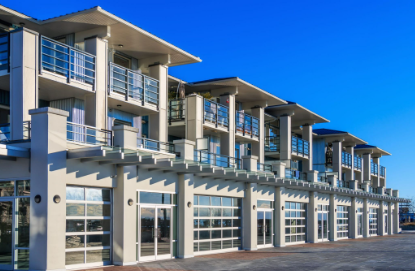
Managing a residential building involves much more than keeping communal areas clean or arranging occasional repairs. Property owners, leaseholders, freeholders and residents’ management companies must ensure that buildings remain safe, well-maintained, financially organised and comfortable for everyone who lives there. This is where professional Block Management London services can make a meaningful difference.
From coordinating maintenance and responding to residents’ concerns to managing service charges and keeping up with changing property regulations, an experienced management team can help simplify everyday responsibilities. With London’s diverse residential developments, choosing a suitable property management partner is particularly important for protecting investments and maintaining a positive living environment.
Whether you manage a small apartment building or a larger residential estate, understanding how block management works can help you make better decisions for your property.
Block management refers to the professional administration, maintenance and day-to-day operation of residential buildings containing multiple flats or leasehold properties. A block management company works with property owners, residents’ management companies, freeholders and Right to Manage companies to keep buildings running efficiently.
The responsibilities may include arranging repairs, monitoring communal facilities, organising contractors, managing budgets and communicating with residents about important matters.
In London, where residential properties range from converted townhouses to modern apartment complexes, management requirements can vary considerably. Each building has its own maintenance needs, financial responsibilities and expectations from residents.
Professional Block Management London services help bring these responsibilities together under one organised system.
See also: How to Recognise Clutch Problems Before They Become Costly Repairs
Without an effective management structure, small issues can quickly become expensive problems. A leaking roof, faulty communal lighting or an unresolved maintenance request may affect several residents if action is delayed.
A professional manager helps identify problems, coordinate appropriate solutions and maintain clear communication between the relevant parties. This organised approach supports better building maintenance while reducing the administrative burden on property directors and owners.
Good management also helps establish consistent procedures for handling enquiries, recording repairs and planning future expenditure.
Selecting the right management partner can improve both the practical operation of a property and the experience of living within it. However, the benefits depend on the provider’s expertise, service standards and ability to meet the building’s specific requirements.
Here are some of the main advantages worth considering.
Communication is one of the most important aspects of successful property management. Residents need a straightforward way to report maintenance concerns, ask questions and receive updates about ongoing work.
Reliable Block Management Companies establish clear communication channels so that enquiries can be recorded, directed to the appropriate person and followed up efficiently.
For example, a digital ticketing system can help residents and property managers discuss issues on the same day, where possible, while keeping a record of the conversation. This can make it easier to track progress and reduce the frustration caused by unanswered messages.
Regular maintenance helps prevent avoidable deterioration and supports the long-term condition of a building. Professional managers can coordinate contractors, arrange inspections and monitor outstanding repairs.
Typical responsibilities may include:
Addressing issues early can help reduce disruption and prevent minor defects from developing into more serious concerns.
Property management involves balancing immediate repairs against future maintenance requirements. An experienced manager can help prepare budgets, obtain contractor quotations and plan expenditure according to the building’s needs.
The cheapest quotation is not always the most economical option. Workmanship, reliability, safety and long-term durability should also influence decisions.
A transparent management approach helps property stakeholders understand proposed costs and make informed decisions about their shared responsibilities.
Clean communal areas, functioning facilities and timely responses contribute to a better residential experience.
When residents know how to report problems and receive useful updates, they are more likely to feel informed and supported. Clear processes can also help reduce misunderstandings between residents, property directors and management teams.
Not every residential development requires the same level of support. Some buildings need straightforward maintenance coordination, while larger estates may require more extensive financial administration, contractor management and compliance support.
When comparing Block Management London providers, it is important to understand precisely what each service includes.
Residential block management focuses on the everyday operation of apartment buildings and other multi-unit developments.
Services may cover communal repairs, cleaning arrangements, contractor coordination, resident communication and maintenance planning. Depending on the management agreement, the provider may also administer service charges and organise meetings with the residents’ management company.
A clear agreement should explain the manager’s responsibilities, reporting arrangements and authority to approve expenditure.
Estate management involves looking after shared spaces and facilities across a wider residential development.
These responsibilities can include landscaped areas, private roads, communal parking, pathways, lighting and other shared amenities. Well-maintained outdoor spaces can improve residents’ everyday experience and help create a more attractive development.
The management approach should reflect the estate’s size, facilities, budget and long-term maintenance requirements.
Freeholders and landlords may need assistance coordinating building maintenance, dealing with leaseholders and managing shared property responsibilities.
A professional management company can help organise the relevant administrative processes, communicate decisions and arrange contractors where authorised.
The exact scope of service depends on the ownership structure, lease provisions and management agreement.
Eligible leaseholders may exercise their statutory Right to Manage, subject to the applicable legal requirements. This allows qualifying leaseholders to take responsibility for certain management functions without necessarily purchasing the freehold.
A specialist manager can assist a Right to Manage company with practical administration, maintenance coordination and financial processes.
Before appointing a provider, the company should establish which duties will be delegated and which decisions will remain with its directors.
Choosing a property manager is an important decision because the relationship may continue for years. A provider should offer more than general promises of excellent service; it should demonstrate how its processes will support your particular building.
Consider the following factors before making a commitment.
Look for a company familiar with buildings similar to yours in size, age, ownership structure and maintenance requirements.
Ask how it handles contractor appointments, emergency repairs, resident complaints and planned maintenance. Practical examples of its working methods can reveal more than broad marketing statements.
Management fees should be clearly explained, including any additional charges for meetings, major projects, inspections or other services.
Ask how service-charge budgets are prepared, how expenditure is reported and what financial records will be available to the relevant stakeholders.
Clear reporting helps residents and directors understand how funds are being used and what future costs may be expected.
Find out how residents can contact their property manager and how urgent issues are handled outside normal working hours.
Some Block Management Companies use online portals or ticketing systems to record enquiries, allocate tasks and provide progress updates. These tools can be useful when supported by responsive staff and clear procedures.
Property legislation and regulatory requirements can change over time. A suitable management provider should monitor relevant developments and help clients understand their responsibilities.
Depending on the building, these may involve fire safety, health and safety, building maintenance, service-charge administration and other legal obligations.
Property managers should explain where specialist advice is required rather than suggesting that every legal or technical matter falls within their expertise.
A smaller residential block may benefit from a straightforward management arrangement, while a large estate may need a more comprehensive service.
Choose a provider willing to discuss your priorities, identify practical improvements and explain how its proposed service will work. A tailored approach can help avoid paying for unnecessary services or overlooking important responsibilities.
A residential building is a significant financial asset, and its condition can influence residents’ satisfaction, maintenance costs and appeal to prospective buyers.
Proactive management focuses on identifying risks before they become major problems. Instead of waiting for a communal system to fail, the manager can help arrange inspections, monitor its condition and plan appropriate maintenance.
A maintenance plan can identify expected repairs, prioritise essential work and help stakeholders prepare for future expenditure.
For example, monitoring roof condition and communal drainage may help identify defects before they cause extensive damage. Regular checks of shared lighting, doors and access systems can also improve everyday functionality.
The appropriate inspection schedule depends on the property, equipment, risks and applicable requirements.
Communal areas influence how residents and visitors experience a building. Clean entrances, maintained gardens, functioning lifts and well-kept corridors contribute to a more welcoming environment.
Consistent attention to these details can also help prevent avoidable deterioration and support the property’s long-term upkeep.
Planning ahead allows property stakeholders to compare repair options, understand future maintenance needs and consider how costs should be funded.
A professional manager can provide information that helps directors and owners make decisions based on the building’s condition rather than reacting only when problems arise.
Property owners and residents’ management companies looking for services in London, Essex and Hertfordshire may wish to explore providers such as Uniq Block Management.
According to the supplied website information, Uniq offers tailored property management services for developments of different sizes, including residential block management, estate management, freehold landlord services and support for Right to Manage companies.
The company also highlights communication as an important part of its approach. Its website describes a ticketing system intended to help residents and property managers communicate about issues and follow up on requests.
This focus addresses a common concern in property management: residents need to know that their enquiries have been received and that outstanding matters are being handled.
Uniq also promotes a combination of professional service and cost-conscious management. Prospective clients should discuss the proposed service scope, fees, communication arrangements and responsibilities directly with the company to determine whether it meets their building’s requirements.
When evaluating any provider, it is sensible to compare its proposed arrangements with those of other suitable firms before making a decision.
Effective property management is essential for keeping residential buildings organised, well-maintained and comfortable for the people who live in them. From coordinating repairs and supporting residents to planning budgets and monitoring changing regulations, professional management can help simplify complex responsibilities.
Choosing the right Block Management London provider starts with understanding your building’s needs. Experience, transparent financial administration, responsive communication and preventative maintenance should all form part of the decision.
By carefully comparing Block Management Companies, property owners, freeholders and residents’ management directors can identify a partner whose services align with their priorities. A well-managed building benefits from clearer processes, better maintenance planning and a more consistent approach to protecting its long-term condition.
Ultimately, successful block management is not simply about dealing with problems when they arise. It is about creating an organised, proactive system that supports residents today while helping maintain the property for the future.
